From the AIDS Capital of KwaZulu-Natal to the United Nations
How a Small Community-Based Programme in Rural South Africa Became a Message of Hope for the World
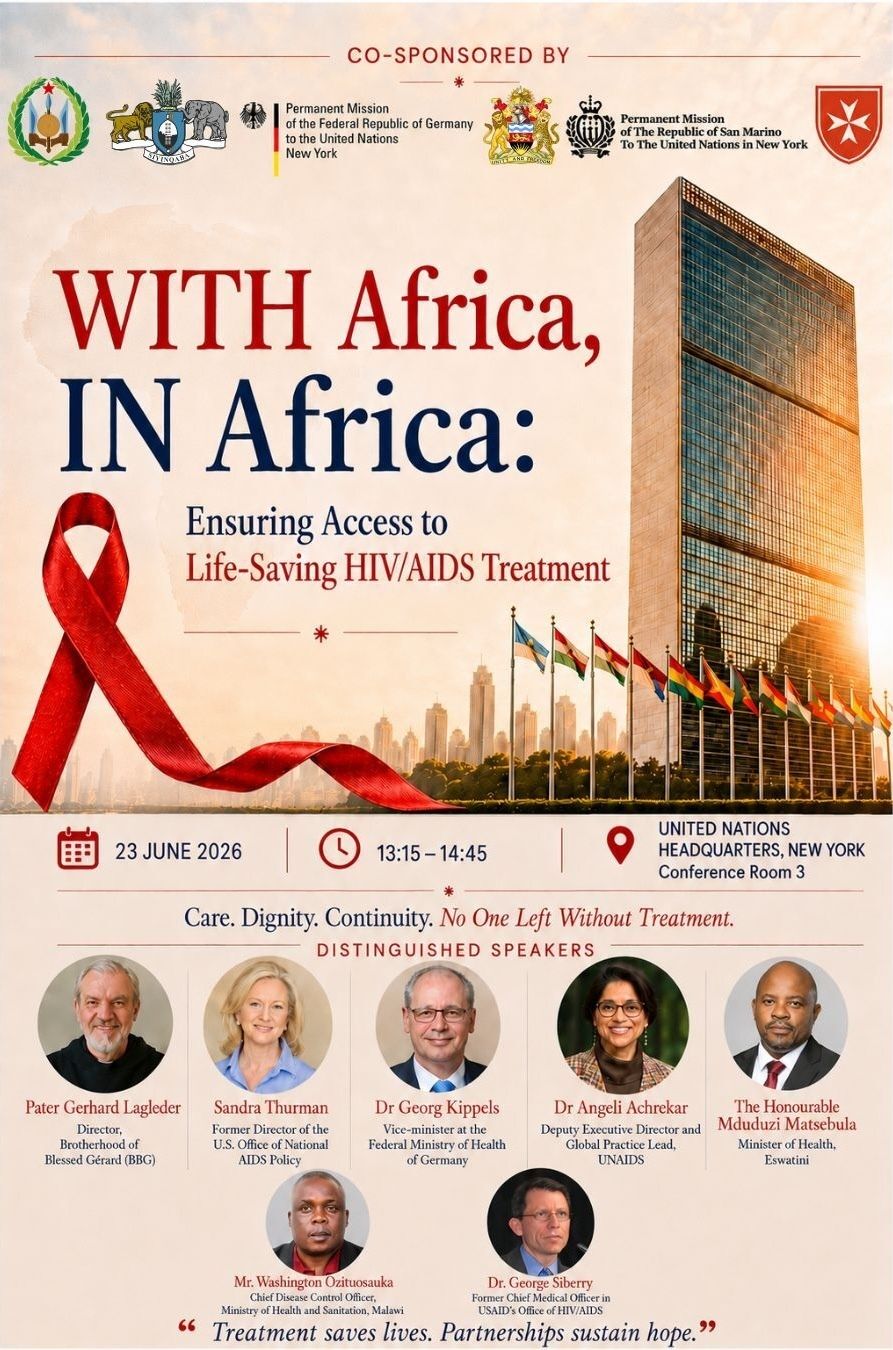
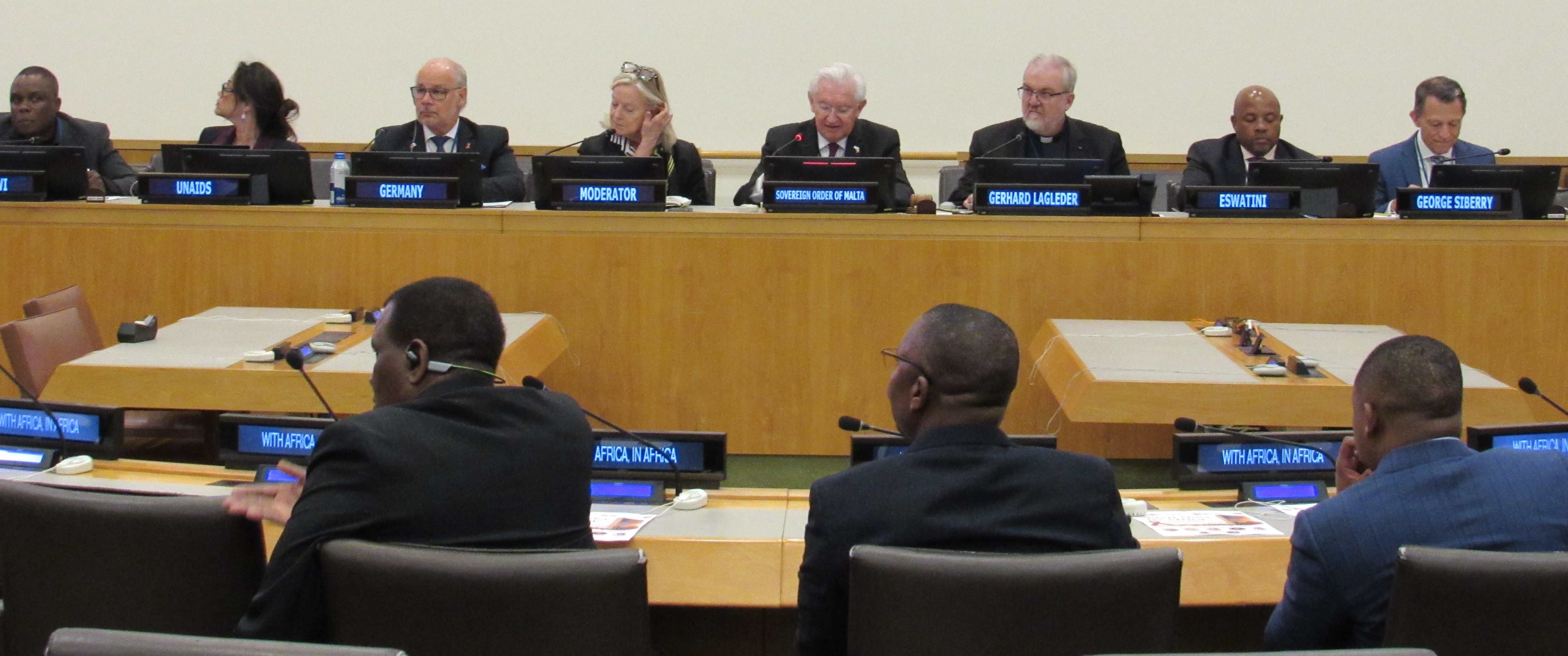
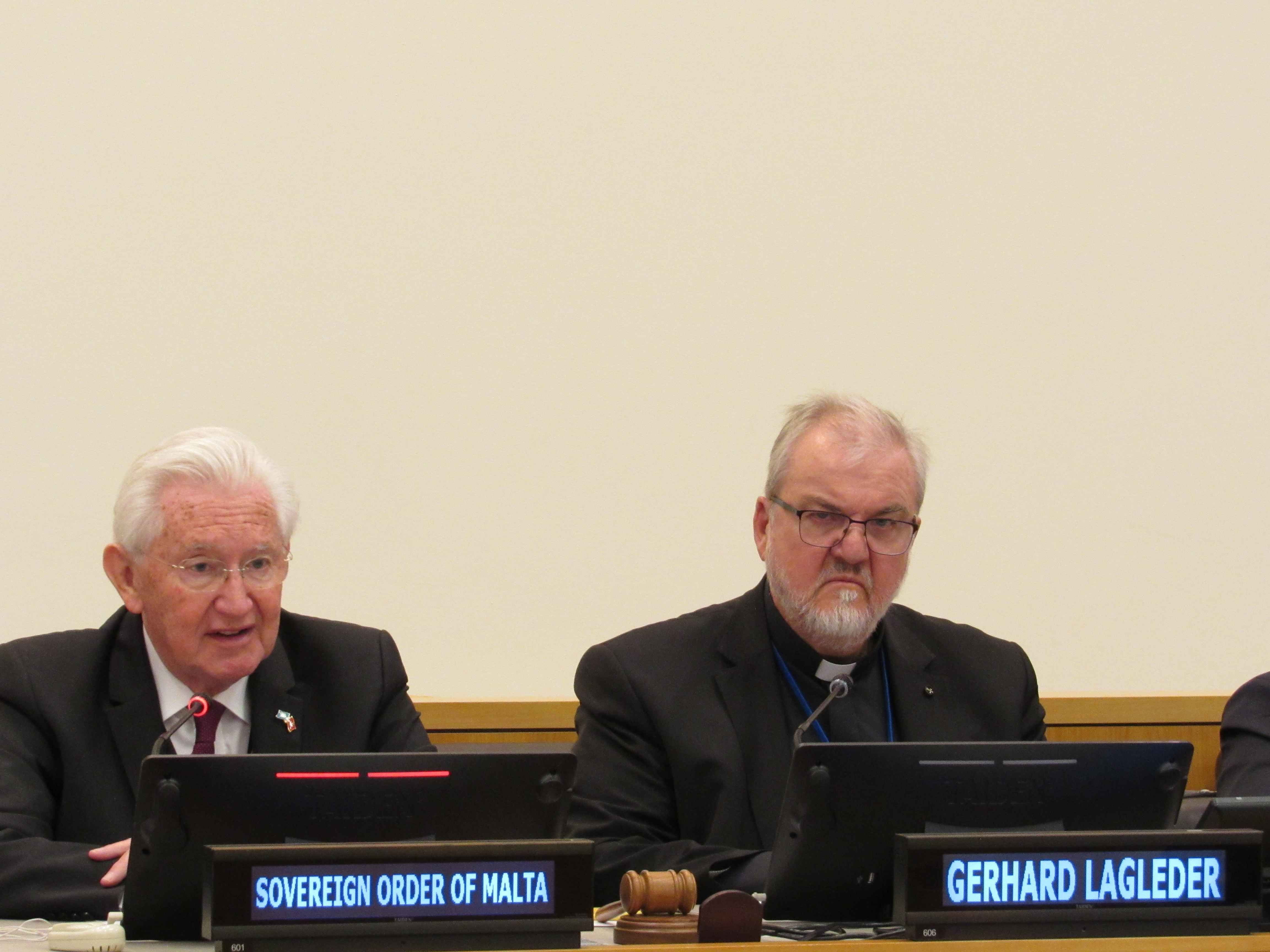
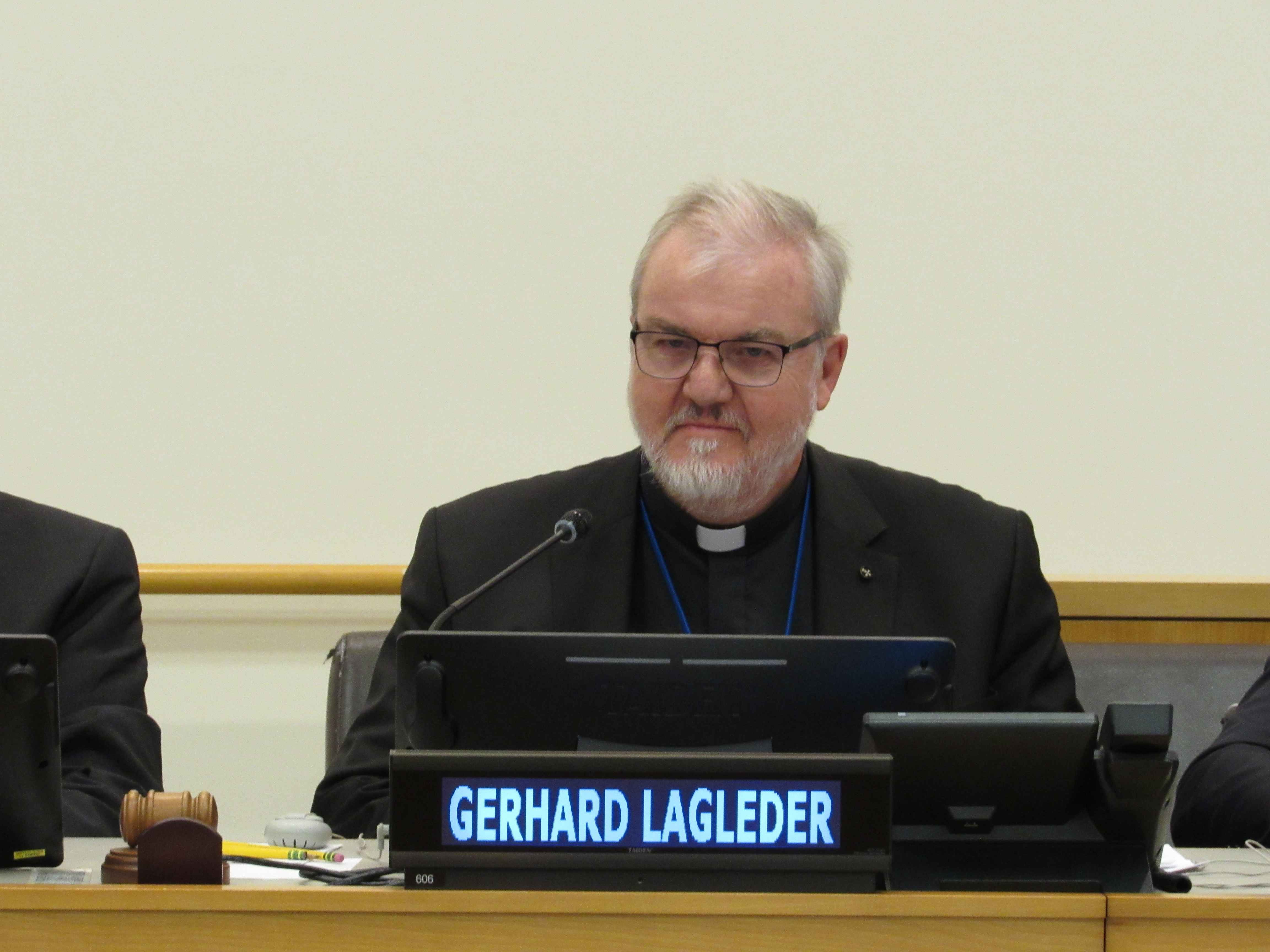
When I addressed a side event at the United Nations Headquarters in New York on 23 June 2026 during the High-Level Meeting on HIV/AIDS, my thoughts went back to the countless people I had encountered during nearly four decades of missionary work in Zululand, South Africa.
I thought of young mothers who knew they would not live to see their children grow up. I thought of families who buried several relatives within a few years. I thought of grandparents suddenly left to care for orphaned grandchildren. Above all, I remembered the many HIV and AIDS patients whom we accompanied during the darkest years of the epidemic.
At that time, AIDS was effectively a death sentence.
When the Brotherhood of Blessed Gérard was founded in Mandeni, KwaZulu-Natal, in 1992, the HIV epidemic was still gathering momentum. Within a few years, however, the region became one of the areas most severely affected by HIV/AIDS anywhere in the world. Hospitals were overwhelmed, families were devastated, and entire communities were struggling to cope with the consequences.
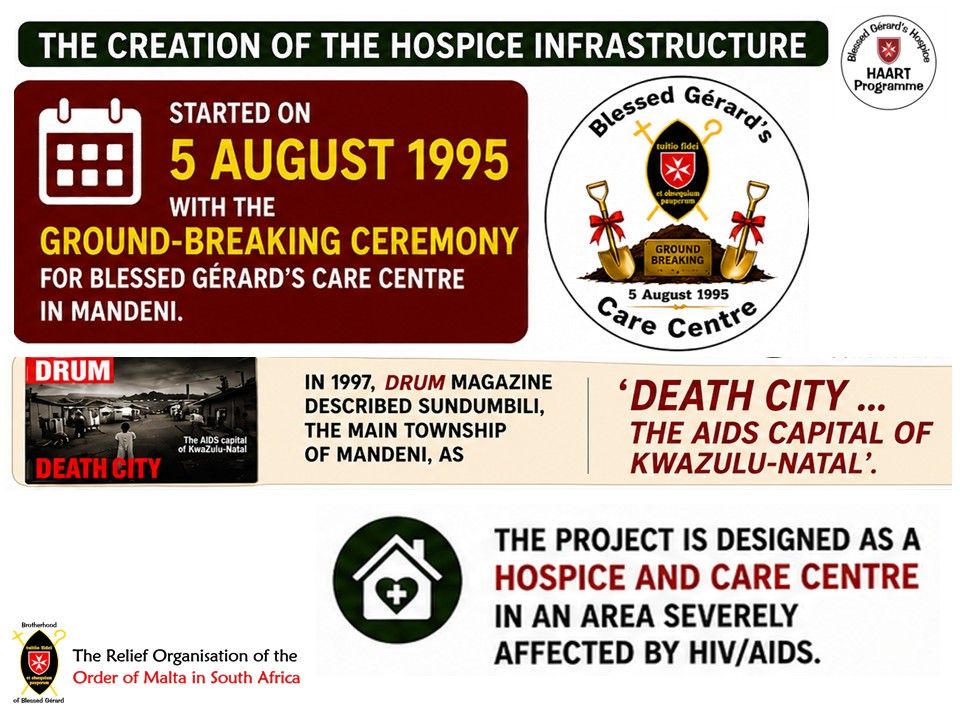
In 1997, the South African magazine Drum described Sundumbili Township as “Death City – The AIDS Capital of KwaZulu-Natal.” For those of us living and working there, this was not an exaggeration. Funerals became part of daily life. Young adults in the prime of their lives were dying, leaving behind grieving families and growing numbers of orphaned children.
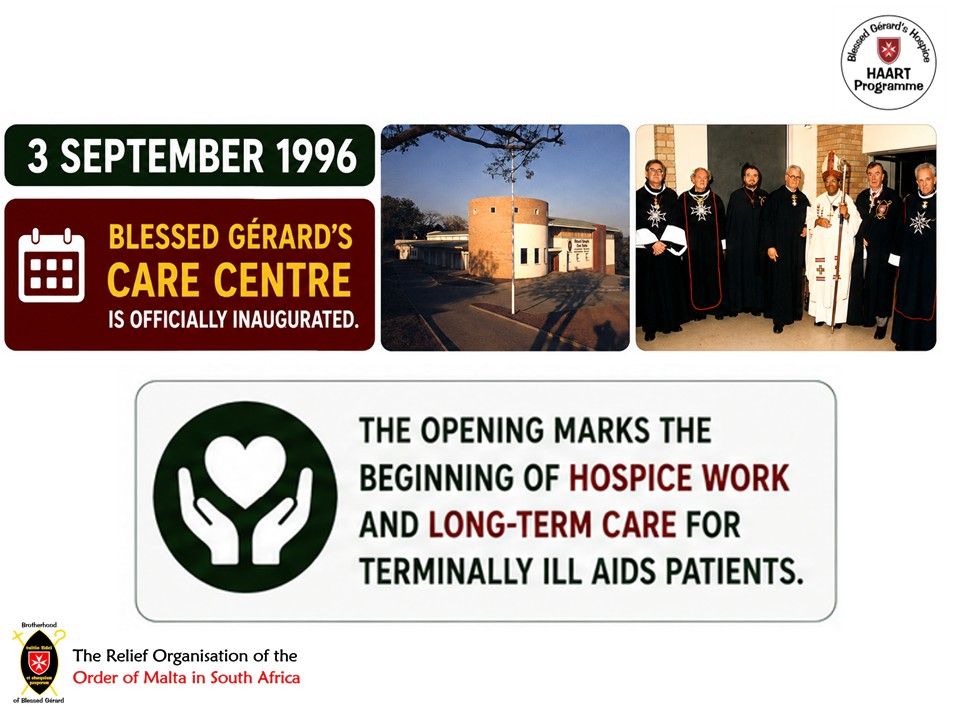
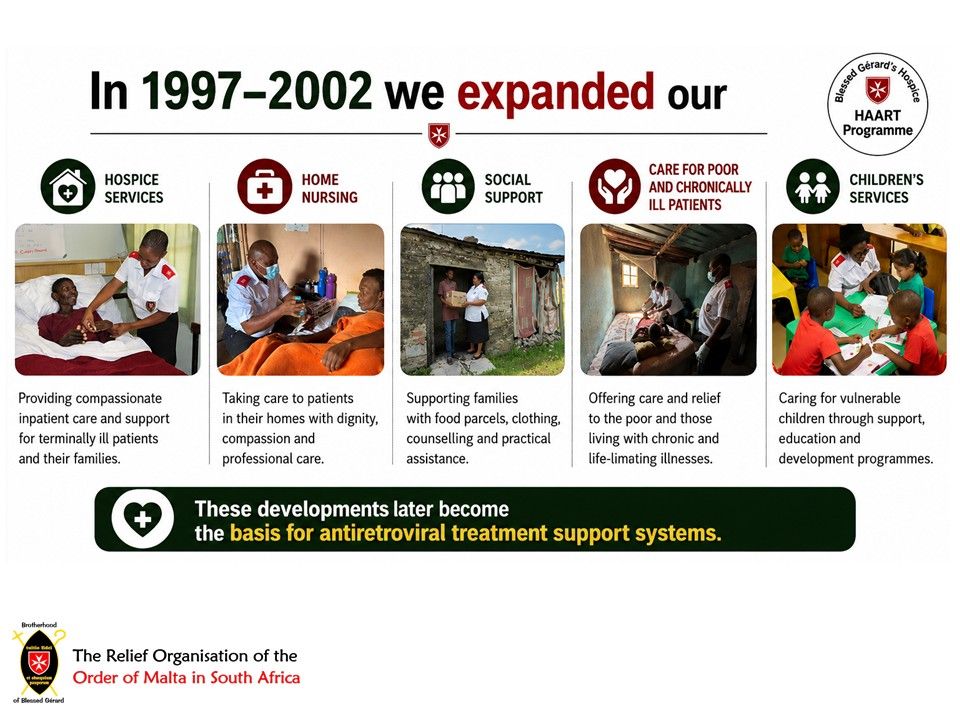
The Blessed Gérard's Hospice was established to provide compassionate care for those who were seriously ill. Our staff treated pain, cared for wounds, supported families, and accompanied patients through the final stages of life. We could offer comfort and dignity, but we could not offer a cure.
At the same time, a medical revolution was taking place elsewhere in the world.
In Europe and North America, Highly Active Antiretroviral Therapy (HAART) was transforming HIV from a fatal disease into a chronic, manageable condition. Patients who once faced certain death were returning to work, raising families, and living productive lives. Yet for millions of people in Africa, these life-saving medicines remained out of reach.
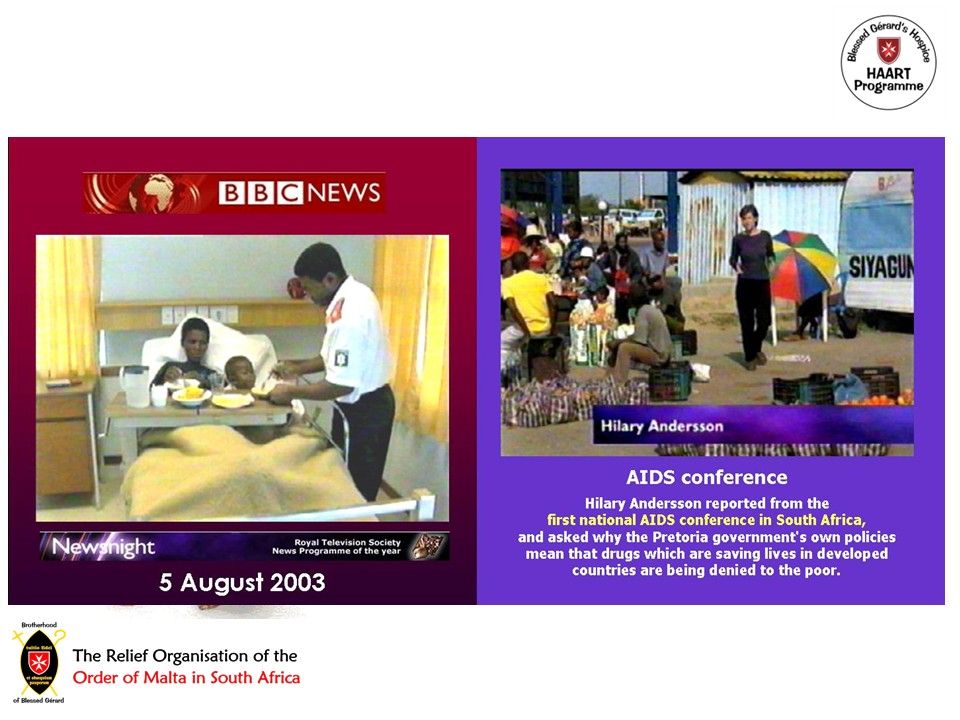
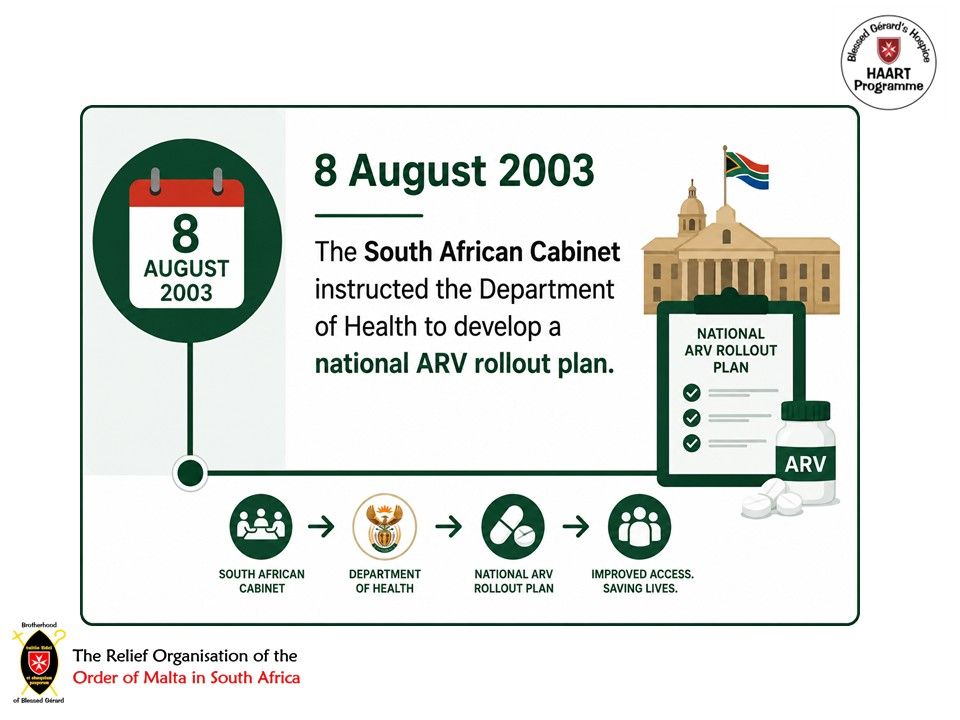
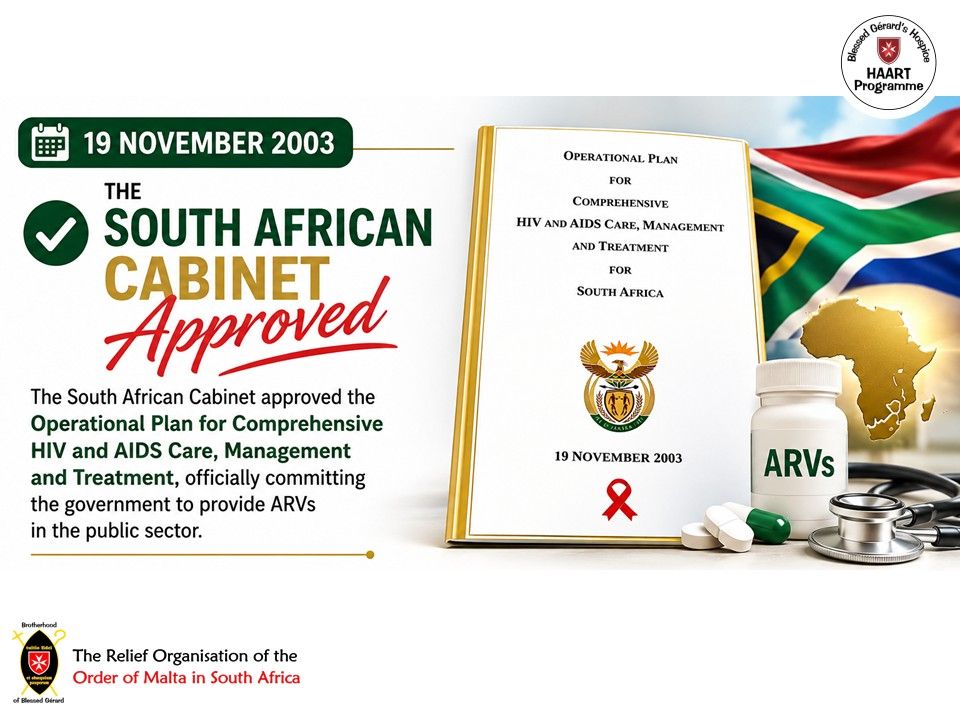
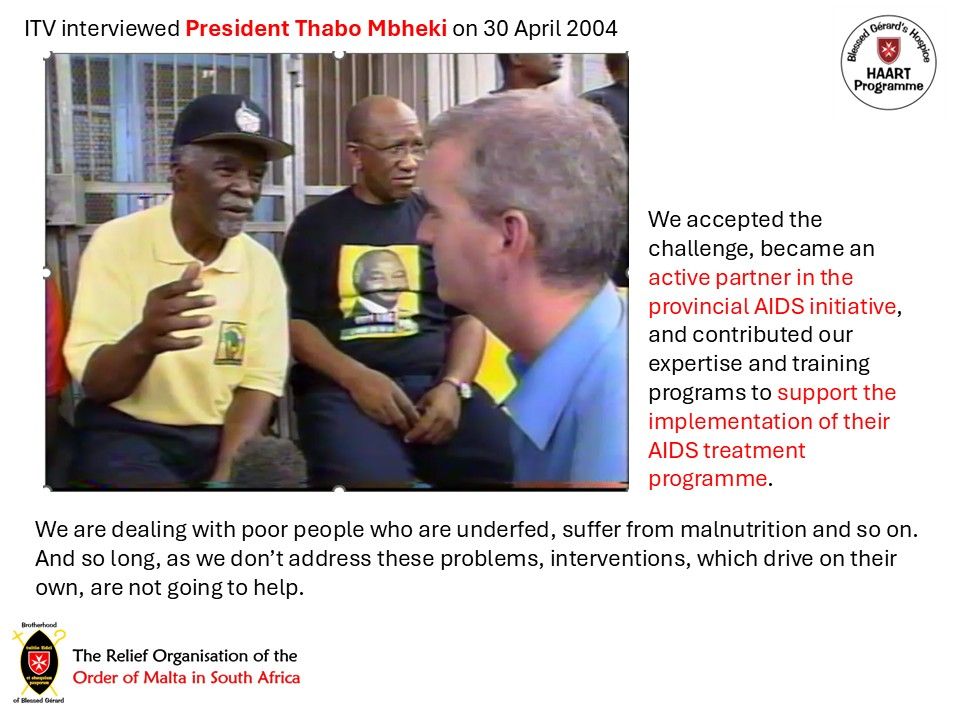
South Africa was also facing a political crisis. During the presidency of Thabo Mbeki, scientific evidence regarding HIV and AIDS was publicly questioned, and the introduction of large-scale antiretroviral treatment programmes was delayed. While healthcare workers, scientists, churches, and civil society organizations called for urgent action, hundreds of thousands of South Africans continued to die from AIDS-related illnesses.
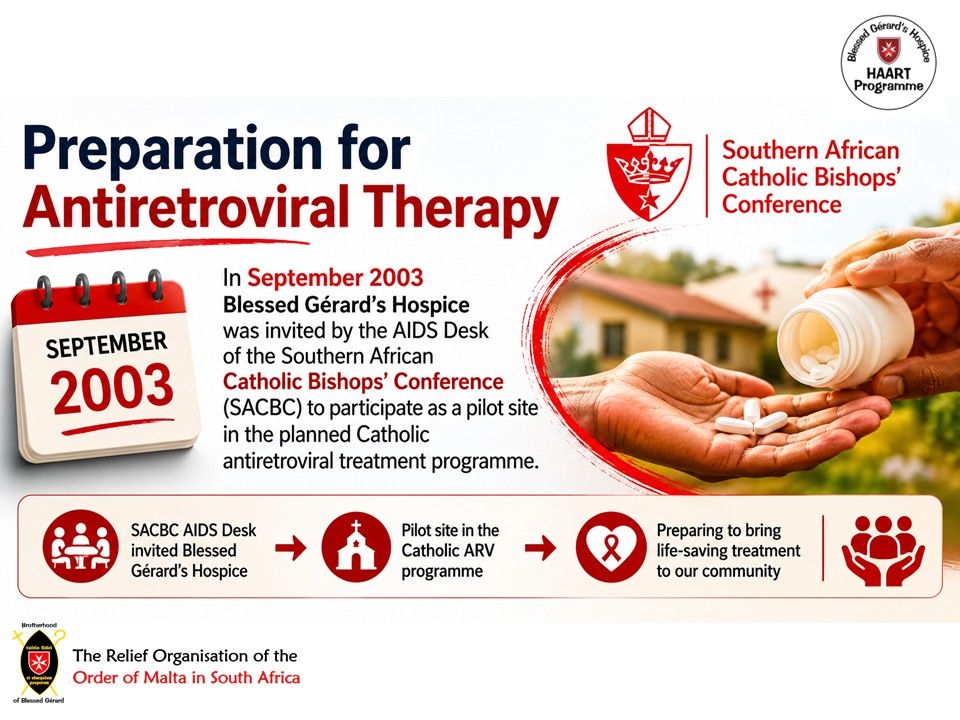
Against this backdrop, a turning point came in September 2003.
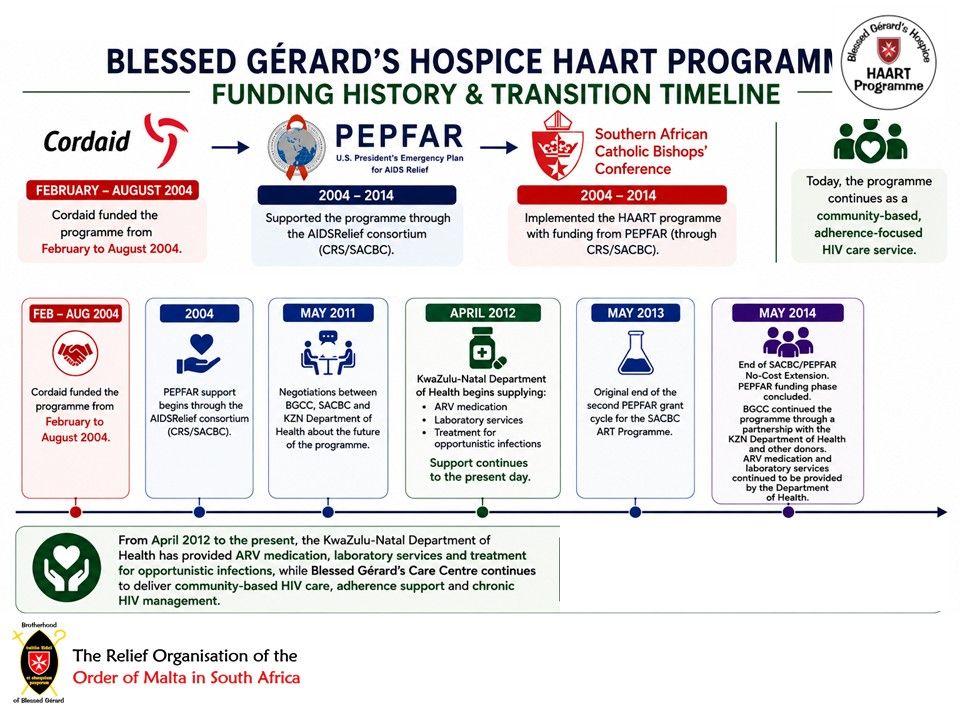
I received a telephone call from Johan Viljoen of the AIDS Office of the Southern African Catholic Bishops' Conference. The Catholic Church, together with international partners, was preparing one of the first large-scale faith-based antiretroviral treatment initiatives in Southern Africa. Blessed Gérard's Hospice had been selected as one of the pilot sites.
For us, this represented both an extraordinary opportunity and an enormous responsibility.
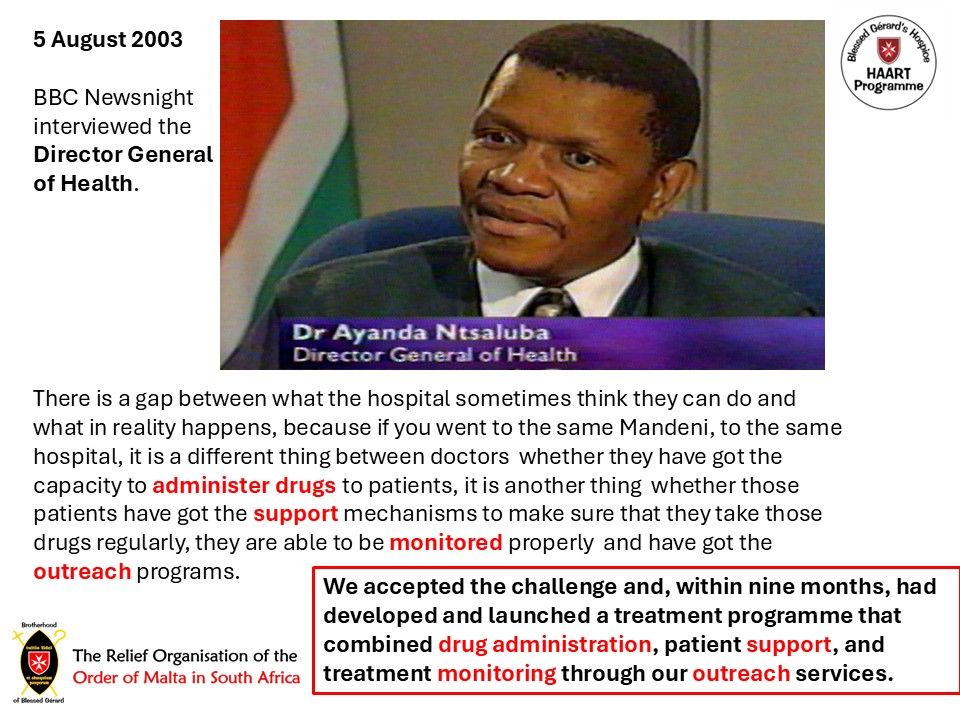
At the time, many experts doubted whether sophisticated HIV treatment programmes could succeed in poor rural communities. Antiretroviral therapy required strict adherence, regular monitoring, laboratory testing, patient education, and long-term follow-up. Many of our patients lived in remote settlements with limited access to transport, healthcare, or even basic services.
Nevertheless, we decided to move forward.
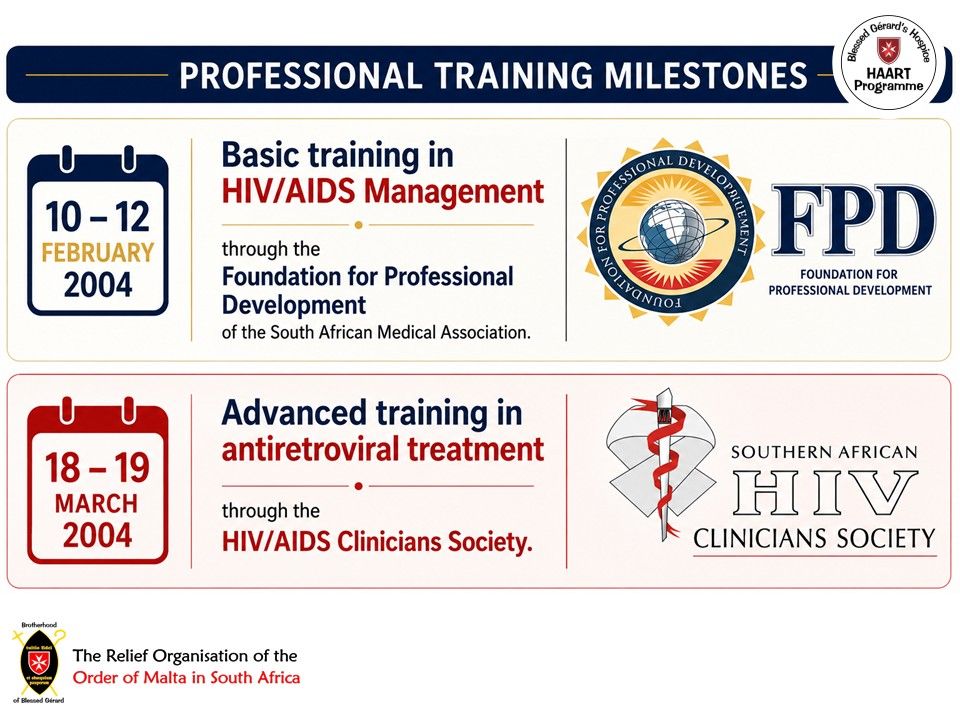
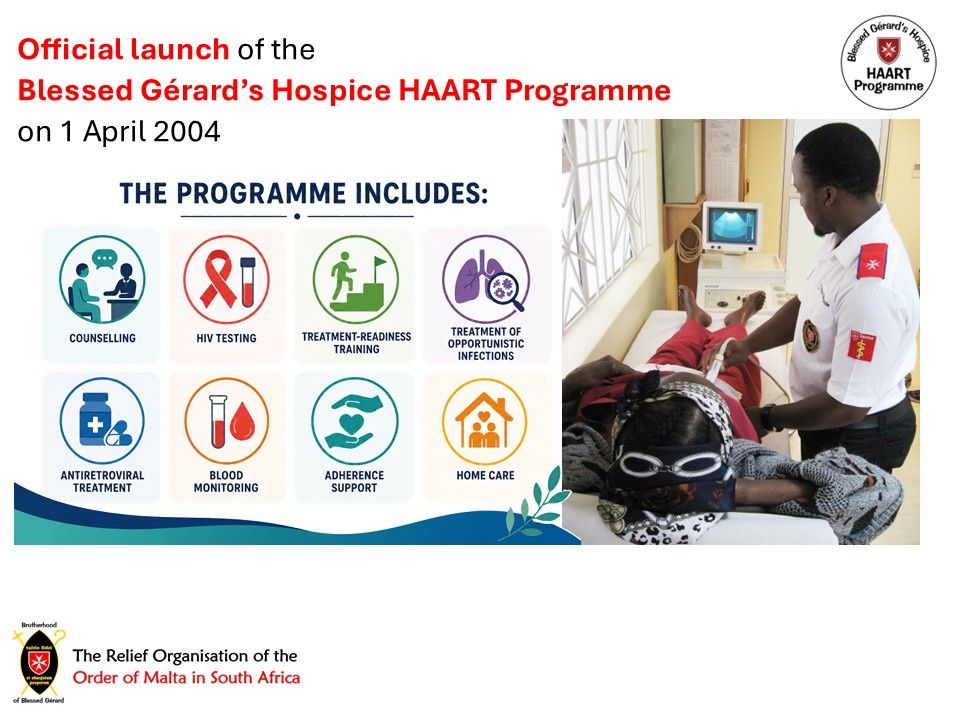
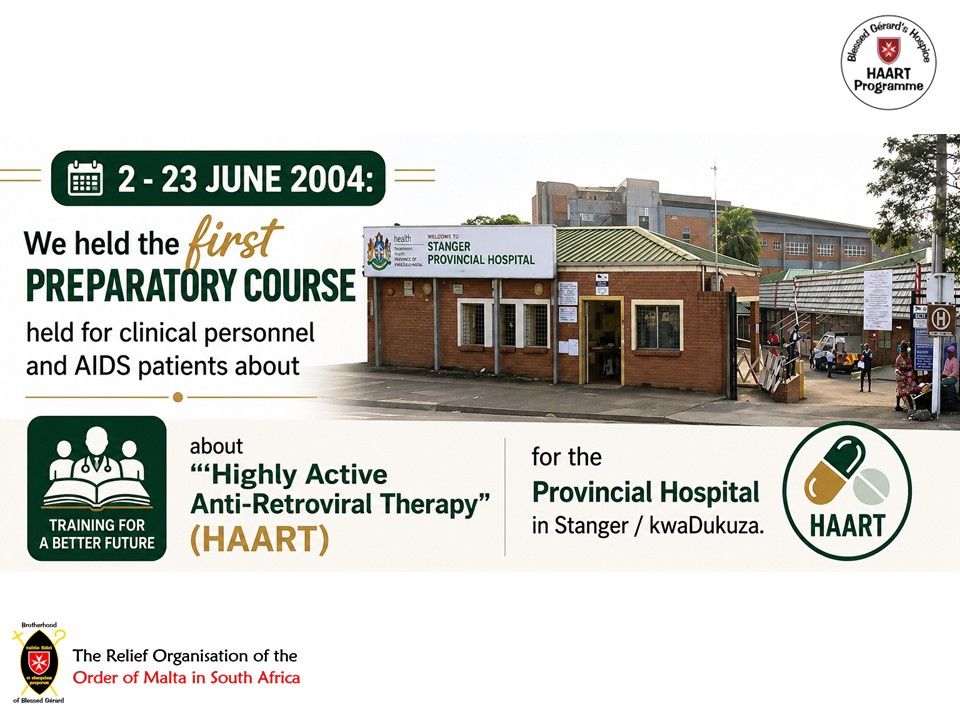
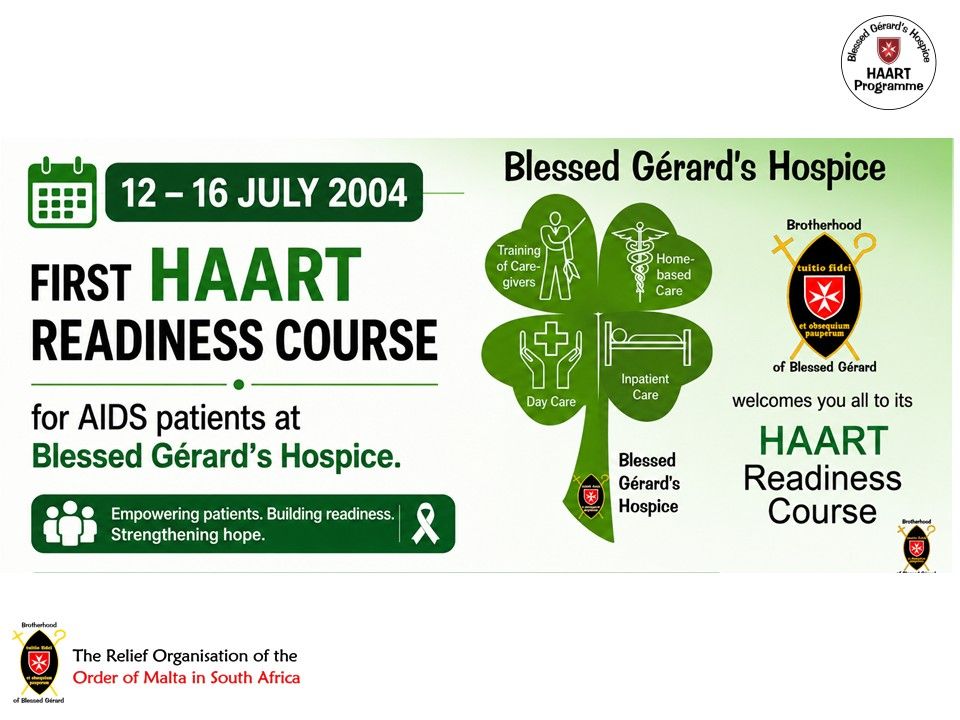
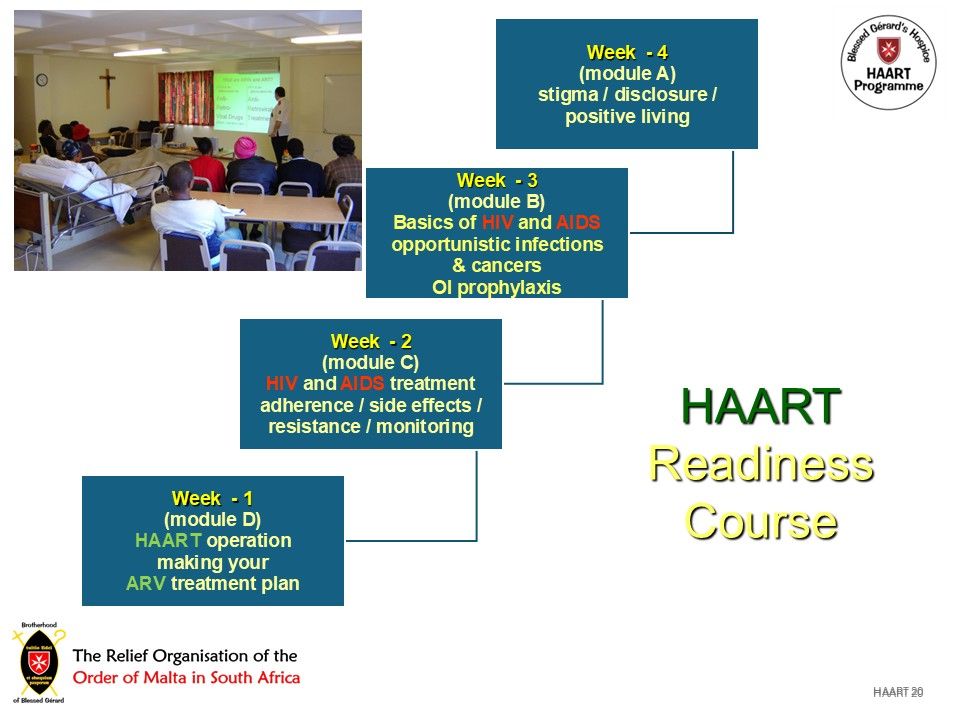
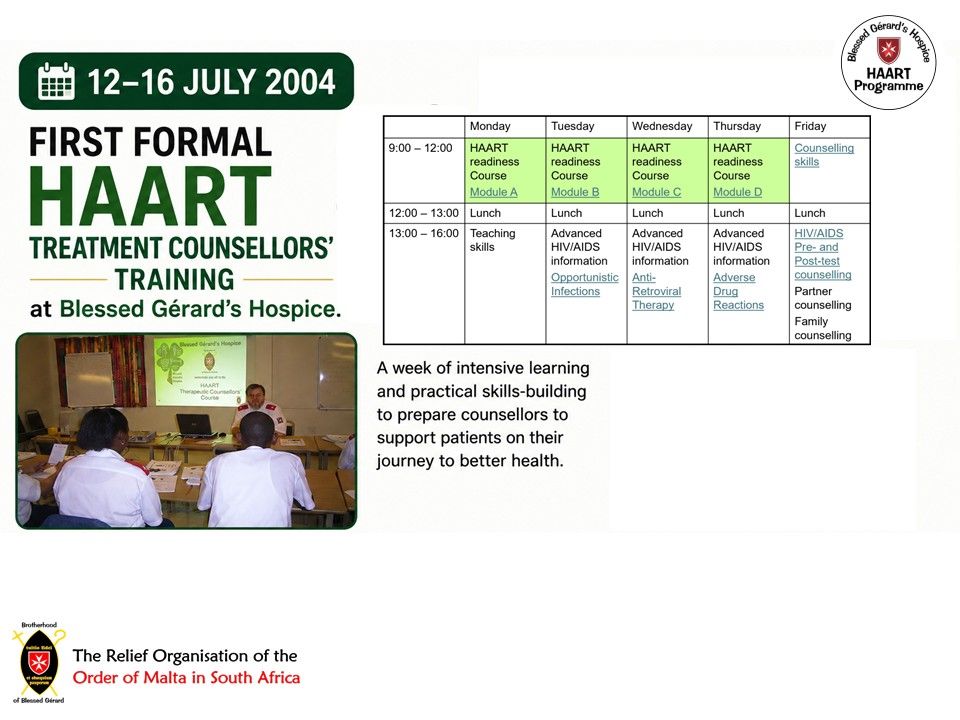
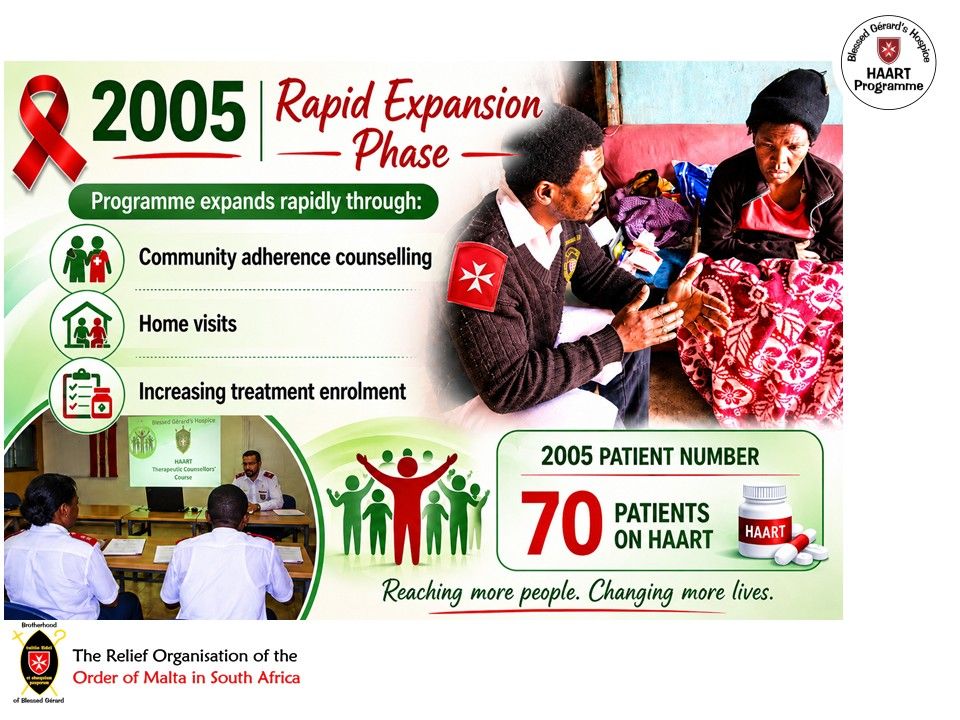
Nurses and counsellors were trained. Treatment readiness courses were developed. Community caregivers were recruited and educated. Home-based care systems were strengthened. We prepared ourselves for a completely new model of healthcare.
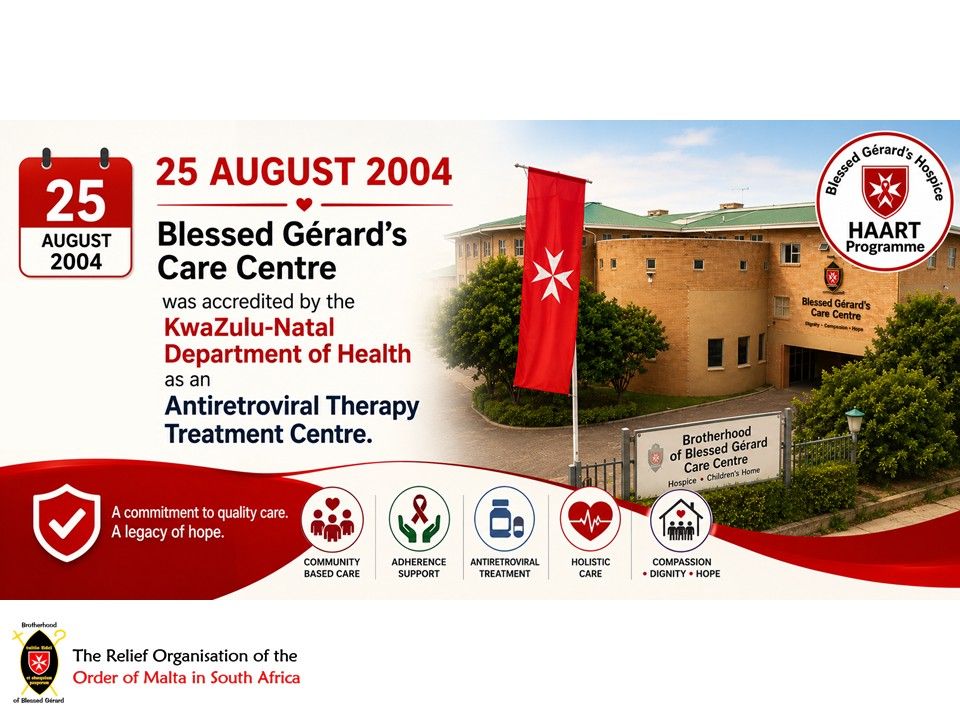
On 25 August 2004, Blessed Gérard's Care Centre received official accreditation from the KwaZulu-Natal Department of Health as an Antiretroviral Therapy Treatment Centre.
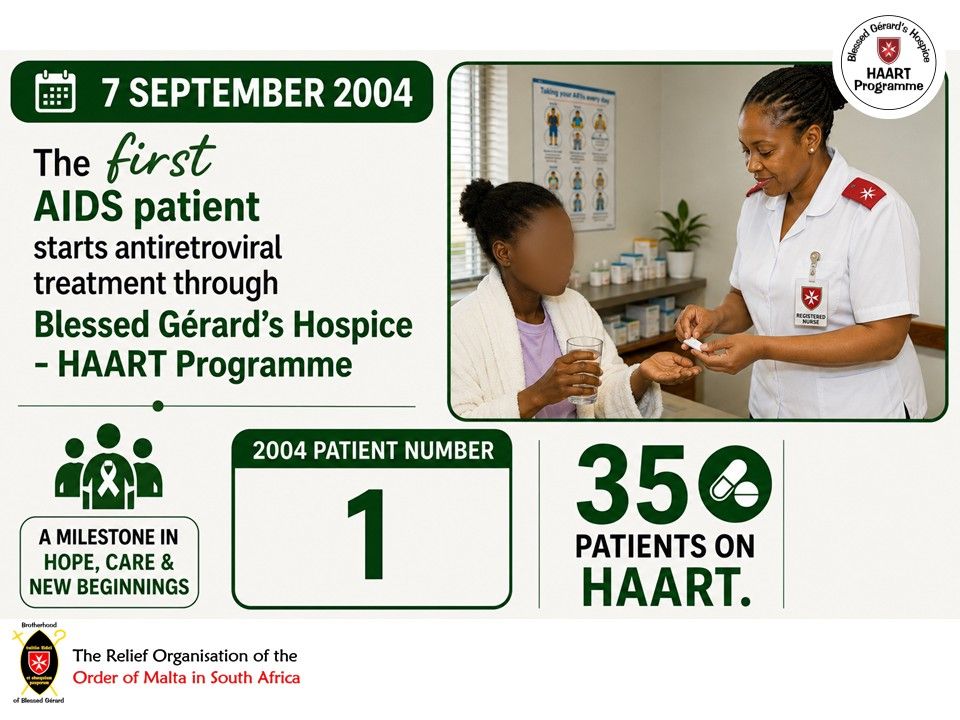
Less than two weeks later, on 7 September 2004, our first patient received antiretroviral treatment.
That day changed everything.
For the first time, we were not merely accompanying people towards death. We were helping them reclaim life.
The results were remarkable.
Patients who had been bedridden returned to the clinic months later walking unassisted. Men and women who had been wasting away regained weight and strength. Parents who expected to leave their children behind were suddenly able to plan for the future. Families that had lost hope began to believe again.
One of these patients was Nelisiwe.
She had worked as a counsellor supporting pregnant women and HIV-positive patients. Then she became seriously ill herself. As her health deteriorated, she lost her employment and eventually became a patient at Blessed Gérard's Care Centre. Through antiretroviral treatment and comprehensive support, she regained her health and her independence. Her story reminds us that during the epidemic, the distinction between caregiver and patient was often very fragile.
Another powerful example was Mvelo, a young boy living with HIV who had lost his parents to AIDS. Without treatment, his prospects were bleak. Through consistent medical care, counselling, and support, he was able to regain his health, attend school, and begin building a future. His story represents an entire generation of children who survived because treatment became available.
Such stories were repeated again and again.
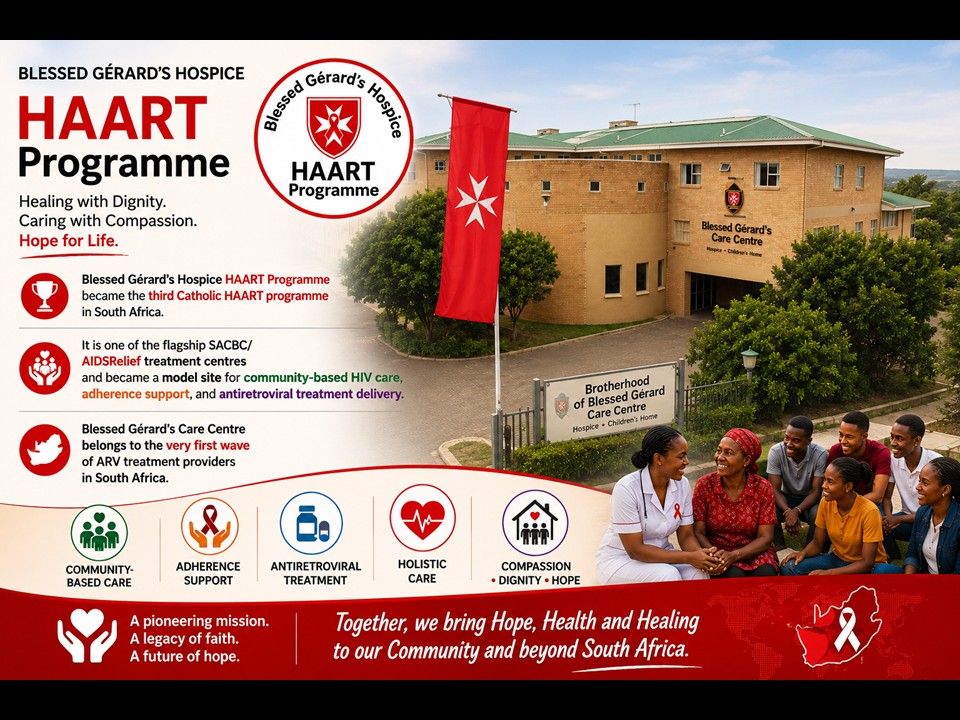
What had begun as a hospice for the dying gradually evolved into a centre of hope and healing.
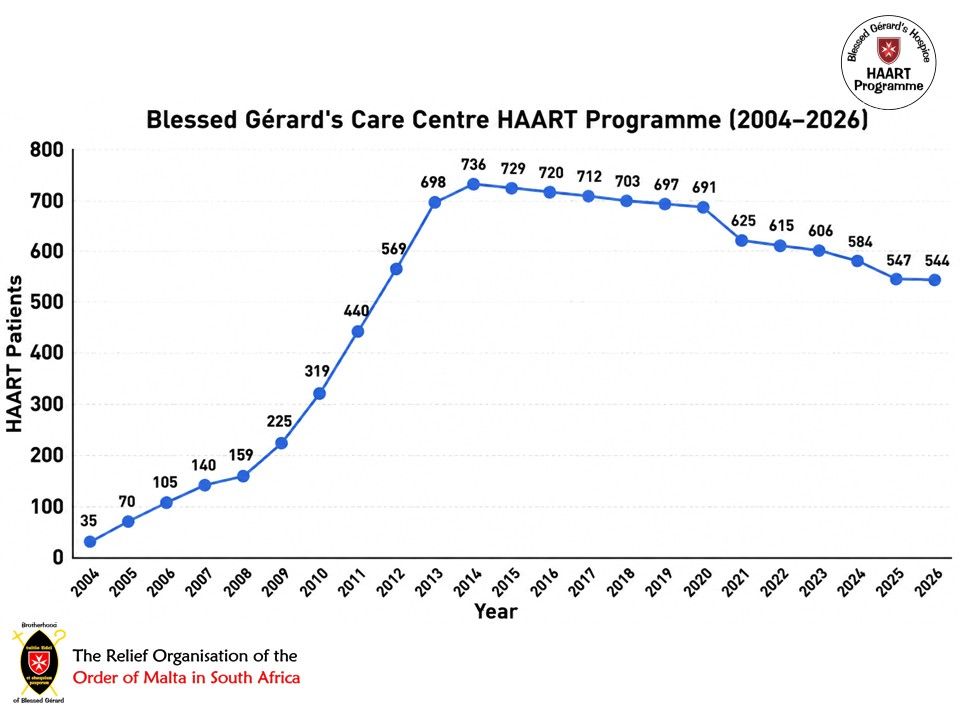
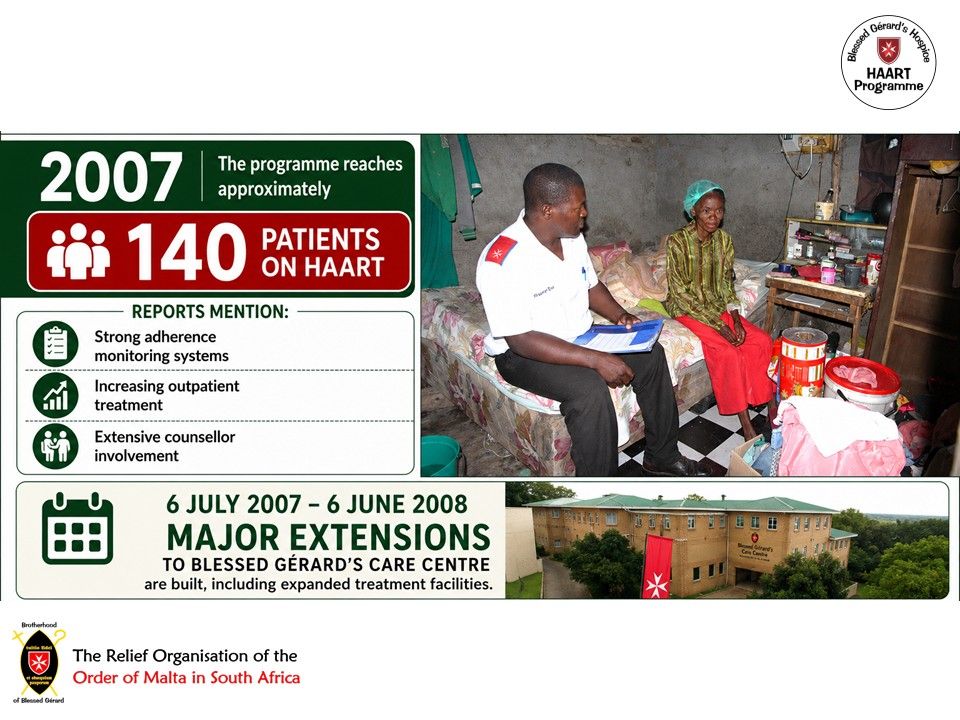
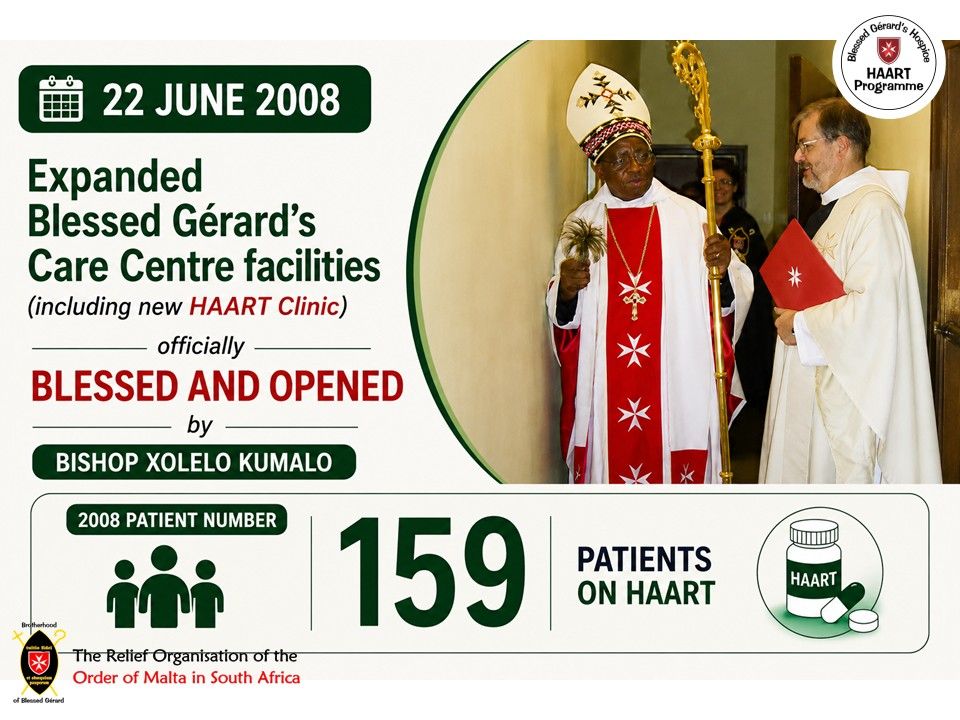
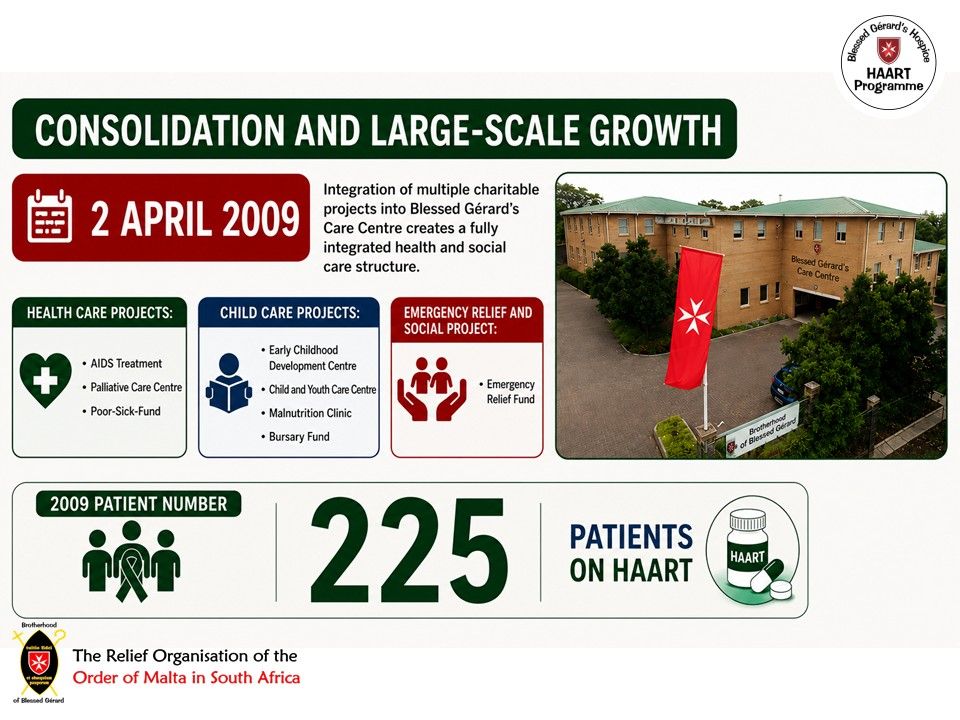
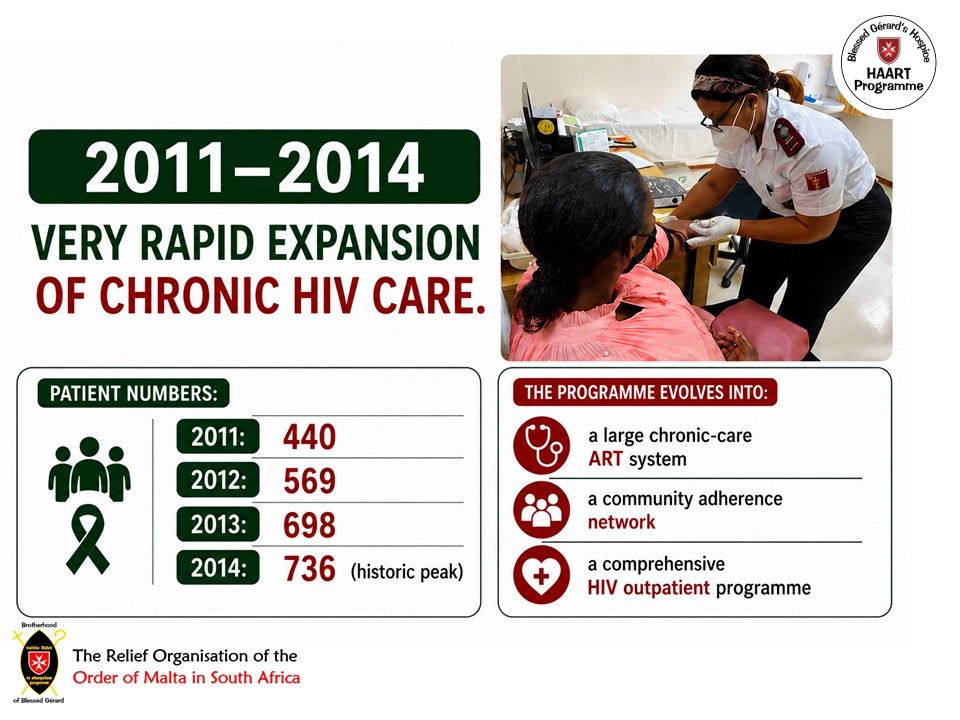
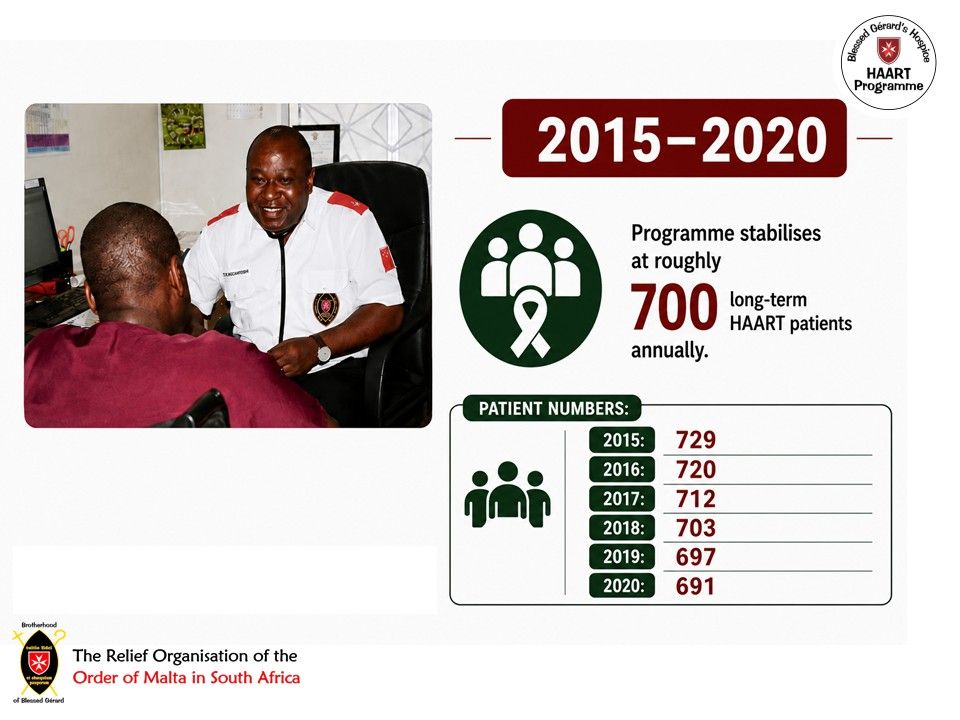
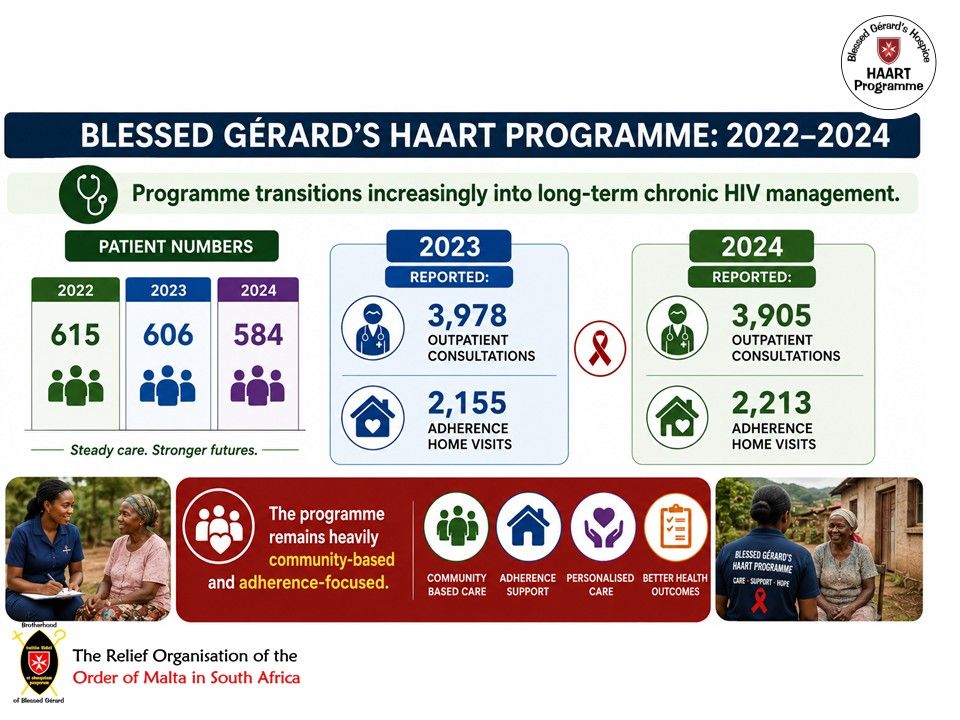
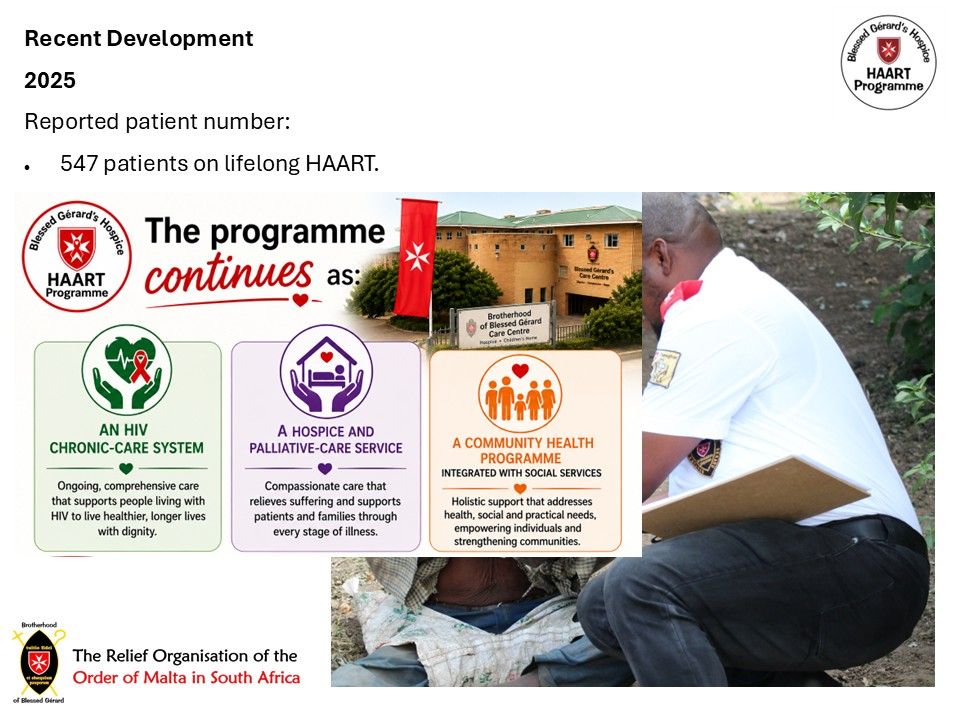
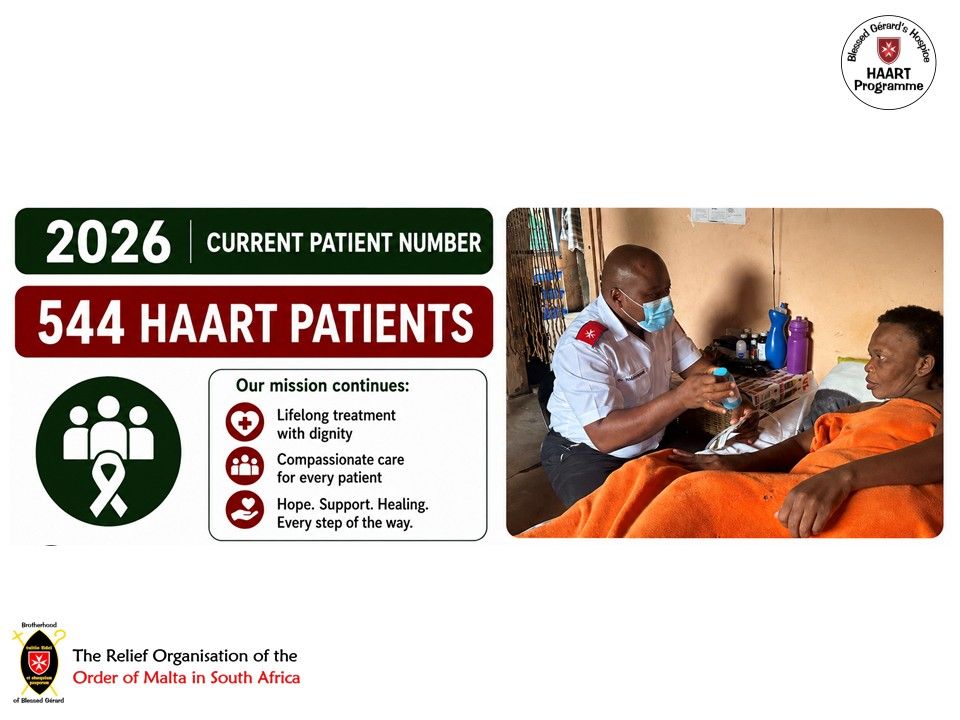
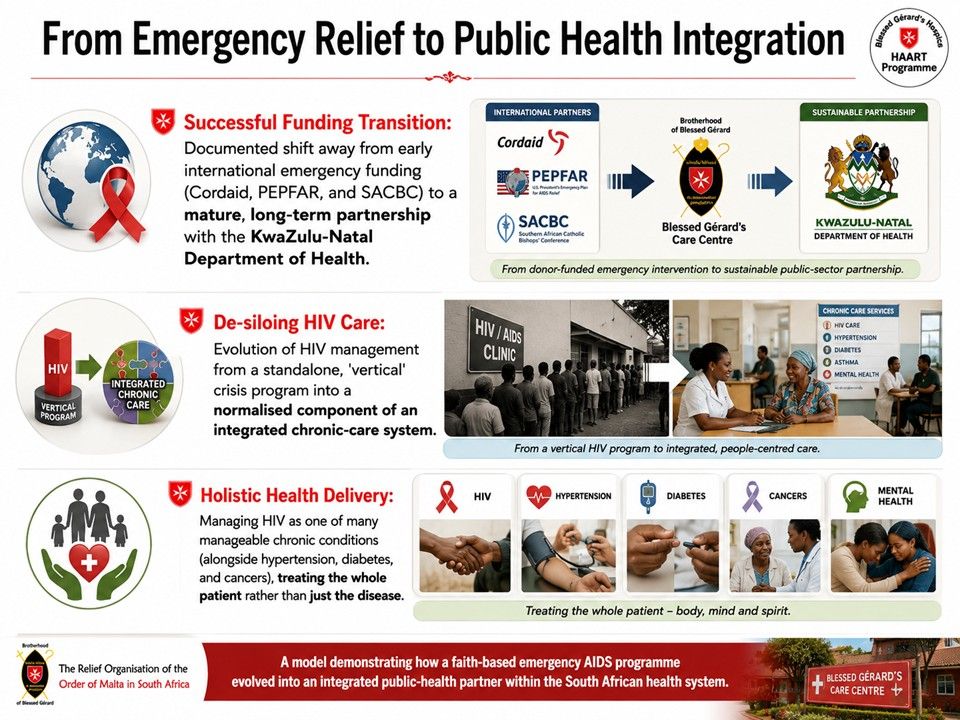
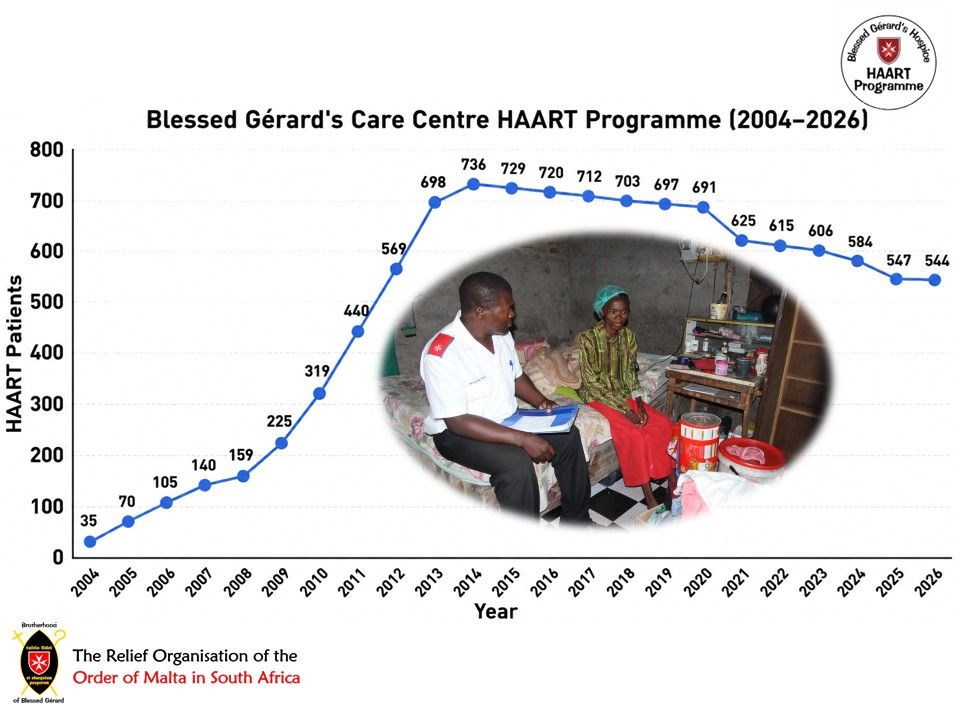
The programme expanded rapidly. From just 35 patients in 2004, the number grew steadily over the following decade. At its peak, more than 700 patients were receiving lifelong antiretroviral treatment through the programme. Since its inception, well over 1,600 HIV and AIDS patients have been enrolled in care and treatment.
Yet medicines alone do not explain this success.
The programme was built upon a community-based model that integrated medical treatment with counselling, home visits, adherence support, nutritional assistance, psychosocial care, and spiritual accompaniment. We learned that effective HIV treatment requires more than pills. It requires relationships, trust, compassion, and a commitment to accompany people throughout their journey.
This experience carries an important message for the international community.
The struggle against HIV/AIDS is not won solely in research laboratories, government ministries, or international conferences. It is also won in rural clinics, village communities, family homes, and places where healthcare workers meet patients face to face.
Scientific breakthroughs only change lives when they reach the people who need them most.
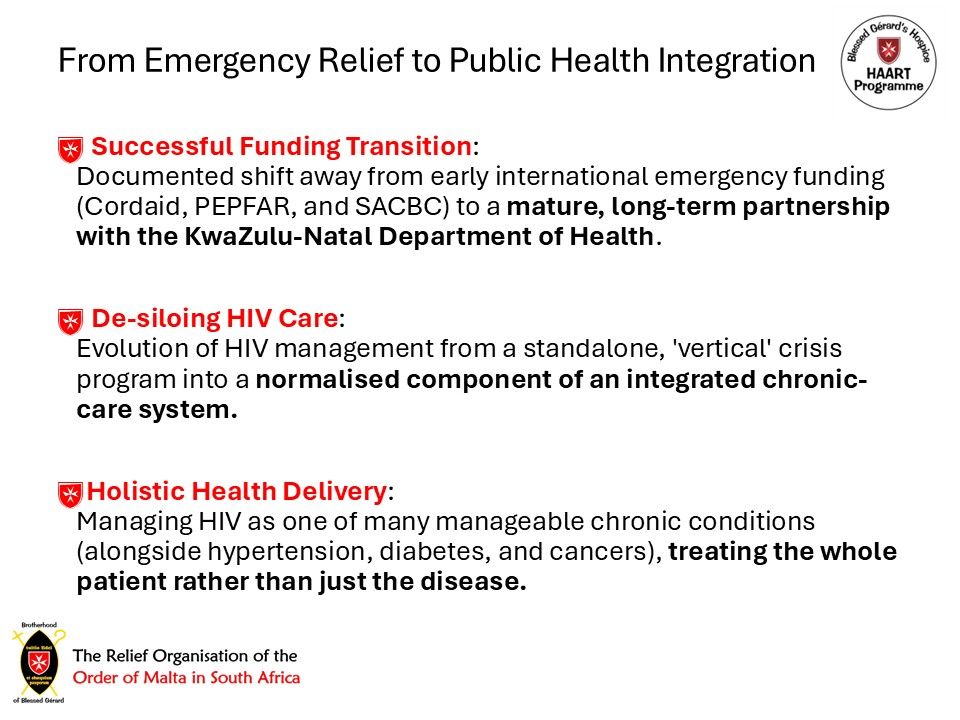
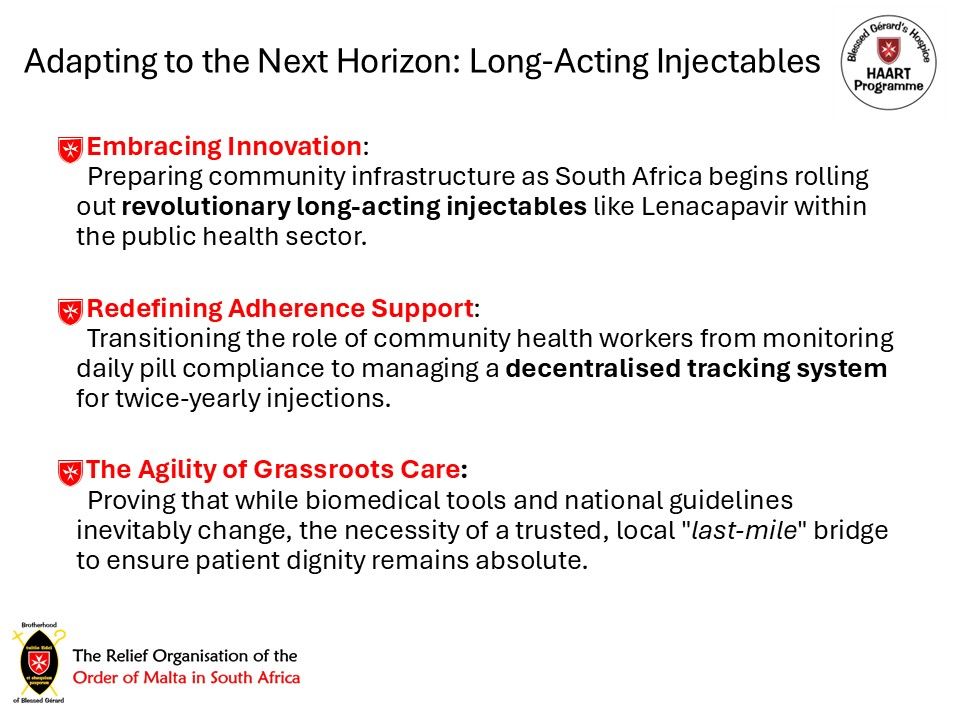
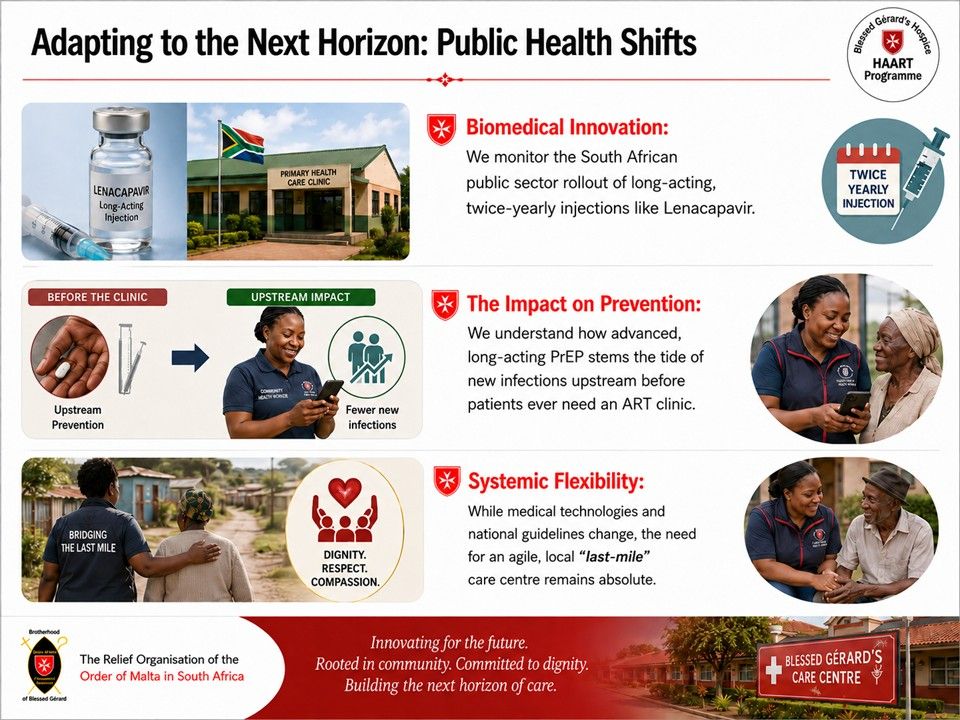
Today, more than twenty years after the introduction of HAART at Blessed Gérard's Care Centre, the world stands at another crossroads. The scientific tools exist to end AIDS as a public health threat. Long-acting treatments, improved prevention strategies, and decades of experience have transformed what is possible.
At the same time, financial pressures, growing inequalities, conflicts, and competing global priorities threaten the progress that has been achieved. Many communities remain vulnerable, and millions still depend on continued international commitment.
The story of Mandeni demonstrates that even in the most challenging circumstances, remarkable change is possible.
What began as a small hospice in rural Zululand became a model of community-based HIV care. What started with a handful of desperately ill patients eventually contributed to a global conversation about healthcare, dignity, and human rights.
For me, speaking at the United Nations was not primarily about presenting statistics or reporting achievements.
It was about giving a voice to the people whose stories are rarely heard.
The mothers who lived long enough to raise their children.
The fathers who returned to work.
The orphaned children who found hope.
The patients who transformed from victims of a devastating epidemic into witnesses of resilience and survival.
Their stories remind us that behind every statistic stands a human being.
And that every life saved is a victory not only for medicine, but also for human dignity, solidarity, and hope.